Tirzepatide for type 2 diabetes has fundamentally reshaped what clinicians and patients can expect from non-insulin antihyperglycemic therapy. As the first dual GIP/GLP-1 receptor agonist approved for blood sugar management, tirzepatide — marketed as Mounjaro — has produced HbA1c reductions and weight loss outcomes described in the peer-reviewed literature as “unprecedented for a single pharmacological agent.” A substantial proportion of type 2 diabetes patients treated with tirzepatide in Phase 3 trials achieved HbA1c levels in the normal, non-diabetic range — suggesting genuine disease remission rather than mere management.
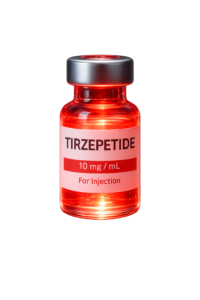
This comprehensive guide examines everything a patient or clinician needs to know about tirzepatide for type 2 diabetes: the mechanism of action, the full clinical trial evidence from the SURPASS program, how tirzepatide compares to existing diabetes medications, dosing and monitoring protocols, and practical guidance on who is most likely to benefit from this landmark therapy.
How Tirzepatide Works for Type 2 Diabetes
Tirzepatide (Mounjaro): A once-weekly injectable dual GIP/GLP-1 receptor agonist — classified as a “twincretin” — that simultaneously activates glucose-dependent insulinotropic polypeptide (GIP) and glucagon-like peptide-1 (GLP-1) receptors to improve blood sugar control through multiple complementary mechanisms. It is the first and only FDA-approved medication in this class for type 2 diabetes.
Type 2 diabetes is characterized by progressive insulin resistance and beta-cell dysfunction — over time, the pancreas becomes less able to produce sufficient insulin to overcome the body’s resistance to it, and blood glucose levels rise. Existing GLP-1 receptor agonists addressed part of this pathophysiology, but tirzepatide targets it from two angles simultaneously through its dual incretin mechanism.
The GLP-1 Pathway: Blood Sugar and Appetite
When tirzepatide activates the GLP-1 receptor, it produces the well-established metabolic effects of GLP-1 stimulation:
- Glucose-dependent insulin secretion: The pancreas releases insulin in response to elevated blood glucose — but only when blood sugar is actually elevated. This glucose-dependency is critically important because it means tirzepatide stimulates insulin only when needed, dramatically reducing hypoglycemia risk compared to older insulin secretagogues like sulfonylureas.
- Glucagon suppression: GLP-1 receptor activation reduces glucagon secretion from pancreatic alpha cells, limiting the liver’s output of glucose between meals and after eating — a major contributor to elevated fasting glucose in type 2 diabetes.
- Slowed gastric emptying: Food moves through the stomach more gradually, moderating postprandial glucose excursions — the spikes in blood sugar that occur after eating.
- Central appetite suppression: GLP-1 signaling in the hypothalamus and brainstem reduces hunger and promotes satiety, contributing to reduced caloric intake and, over time, meaningful weight reduction.
The GIP Pathway: Synergy and Superior Insulin Response
The addition of GIP receptor activation is what distinguishes tirzepatide from all prior GLP-1 receptor agonists — and it is the source of tirzepatide’s superior glycemic control in clinical trials. GIP receptor activation produces:
- Synergistic insulin secretory response: When GIP and GLP-1 receptors are co-activated, the resulting insulin response is significantly greater than either hormone produces independently — a pharmacological synergy that is the foundation of tirzepatide’s superior HbA1c reduction.
- Enhanced insulin sensitivity in peripheral tissues: GIP receptor activation improves insulin sensitivity in adipose tissue, supporting more efficient glucose uptake by peripheral cells.
- Improved beta-cell function: Emerging evidence suggests that dual GIP/GLP-1 agonism may support the preservation of pancreatic beta-cell mass and function to a greater degree than GLP-1 monotherapy — a potentially important long-term benefit in a disease characterized by progressive beta-cell decline.
- Elevated adiponectin: GIP receptor activation increases circulating adiponectin, an anti-inflammatory metabolic hormone that improves insulin sensitivity and is typically suppressed in patients with type 2 diabetes and obesity.
The Result: Dual Pathway Blood Sugar Control
The net clinical effect of this dual mechanism is a more comprehensive and more powerful correction of the core metabolic defects in type 2 diabetes than any single-receptor medication can produce. Tirzepatide improves fasting glucose, postprandial glucose, insulin secretion, insulin sensitivity, and glucagon regulation — simultaneously — while also producing the substantial weight loss that itself independently improves insulin resistance. This multi-layered approach is why SURPASS trial results consistently exceeded the glycemic outcomes of all comparator medications.
FDA Approval: Mounjaro
The FDA approved tirzepatide as Mounjaro in May 2022 as an adjunct to diet and exercise to improve glycemic control in adults with type 2 diabetes mellitus. In 2025, the indication was extended to include children aged 10 and older with type 2 diabetes — making Mounjaro the only dual GIP/GLP-1 agonist approved for pediatric type 2 diabetes in the United States.
Mounjaro is not approved for use in patients with type 1 diabetes, and it is not a substitute for insulin in patients who require insulin therapy. It is also not recommended for patients with a personal or family history of medullary thyroid carcinoma (MTC) or Multiple Endocrine Neoplasia syndrome type 2 (MEN 2).
An important distinction to understand: Mounjaro and Zepbound contain the identical active ingredient at the identical doses, but carry different FDA approvals and different insurance coverage pathways. Patients using tirzepatide for type 2 diabetes blood sugar management receive Mounjaro prescriptions; patients using tirzepatide primarily for weight management receive Zepbound prescriptions. This distinction has significant implications for insurance coverage, as many plans cover one but not both under their respective indications.
The SURPASS Clinical Trial Program
The SURPASS program was a comprehensive global Phase 3 clinical trial program evaluating tirzepatide across a wide range of type 2 diabetes patient populations and clinical comparators. Five completed SURPASS trials form the evidentiary foundation for Mounjaro’s FDA approval and position in clinical practice guidelines.
SURPASS-1: Tirzepatide vs. Placebo
SURPASS-1 evaluated tirzepatide as monotherapy (without background antidiabetic medications) versus placebo in adults with type 2 diabetes inadequately controlled on diet and exercise alone. Over 40 weeks:
- HbA1c reductions: −1.87% (5 mg), −1.89% (10 mg), −2.07% (15 mg) vs. −0.04% placebo
- Weight reductions: −7.0 kg (5 mg), −7.8 kg (10 mg), −9.5 kg (15 mg) vs. −0.7 kg placebo
- Proportion achieving HbA1c <7.0%: 87%, 89%, and 92% at 5, 10, and 15 mg respectively
- No clinically significant hypoglycemia was observed with tirzepatide monotherapy
SURPASS-2: Tirzepatide vs. Semaglutide
SURPASS-2 was the pivotal head-to-head trial comparing tirzepatide to semaglutide 1.0 mg — the highest approved dose of Ozempic for diabetes at the time — in patients with type 2 diabetes inadequately controlled on metformin. Over 40 weeks, tirzepatide at all three doses produced significantly greater HbA1c and weight reductions than semaglutide:
| Outcome | Tirzepatide 5 mg | Tirzepatide 10 mg | Tirzepatide 15 mg | Semaglutide 1 mg |
|---|---|---|---|---|
| HbA1c reduction | −2.01% | −2.24% | −2.30% | −1.86% |
| Body weight reduction | −7.6 kg | −9.3 kg | −11.2 kg | −5.7 kg |
| Achieved HbA1c <7.0% | 82% | 87% | 92% | 79% |
| Achieved HbA1c <5.7% | 27% | 42% | 46% | 19% |
The finding that up to 46% of patients receiving tirzepatide 15 mg achieved HbA1c below 5.7% — the upper threshold of the normal, non-diabetic range — was described by clinical commentators as remarkable, suggesting that a substantial proportion of type 2 diabetes patients could achieve something approaching glycemic remission rather than chronic management.
SURPASS-3: Tirzepatide vs. Insulin Degludec
SURPASS-3 compared tirzepatide to titrated insulin degludec (a long-acting basal insulin) in patients with type 2 diabetes inadequately controlled on 2–3 oral antidiabetic medications. Over 52 weeks:
- Tirzepatide 15 mg reduced HbA1c by 2.37% vs. 1.34% for insulin degludec
- Patients on tirzepatide 15 mg lost 12.9 kg on average; insulin degludec patients gained 2.3 kg on average — a body weight difference of more than 15 kg between groups
- Clinically significant hypoglycemia was substantially less frequent with tirzepatide than with insulin
This trial is particularly clinically significant because weight gain is one of the most therapeutically challenging aspects of insulin therapy for patients with type 2 diabetes. Tirzepatide produced superior glycemic control simultaneously with dramatic weight reduction — the opposite of what insulin reliably produces.
SURPASS-4: Tirzepatide vs. Insulin Glargine in High-CV-Risk Patients
SURPASS-4 evaluated tirzepatide versus titrated insulin glargine (Lantus) in a high cardiovascular risk type 2 diabetes population over 52 weeks. Tirzepatide produced significantly greater HbA1c reductions and body weight reductions compared to insulin glargine, with substantially lower rates of hypoglycemia. Tirzepatide was also associated with numerically lower rates of cardiovascular events, though the trial was not powered for formal cardiovascular outcomes analysis.
SURPASS-5: Tirzepatide Added to Basal Insulin
SURPASS-5 addressed the clinically common scenario of patients already on basal insulin who require additional glycemic control. Adding tirzepatide to basal insulin produced significantly greater HbA1c reductions, weight loss, and improvements in time-in-range (a continuous glucose monitoring measure of blood sugar stability) compared to continuing basal insulin with placebo add-on. Basal insulin doses were reduced by approximately 50% in the tirzepatide group — a clinically meaningful reduction in insulin burden.
Glycemic Control: HbA1c Reduction Results Summary
Across the full SURPASS program, the magnitude of tirzepatide’s HbA1c reduction is consistently described in published literature as unprecedented for a single pharmacological agent. To place this in context:
- Typical oral antidiabetic medications (metformin, DPP-4 inhibitors, SGLT-2 inhibitors) generally reduce HbA1c by 0.5% to 1.0%
- GLP-1 receptor agonists like semaglutide typically reduce HbA1c by 1.0% to 1.8%
- Insulin therapy, when intensively managed, can achieve HbA1c reductions of 1.5% to 2.5% — but at the cost of hypoglycemia risk, weight gain, and injection burden
- Tirzepatide reduces HbA1c by 1.87% to 2.58% across SURPASS trials — matching or exceeding even intensively managed insulin therapy, without the associated weight gain or hypoglycemia risk
The clinical implication is significant: tirzepatide may allow many patients who would otherwise need to transition to complex insulin regimens to achieve excellent glycemic control through a simpler, once-weekly injectable — while also losing substantial weight rather than gaining it.
Weight Loss in Type 2 Diabetes Patients on Tirzepatide
Obesity-Diabetes Connection: Approximately 80–90% of type 2 diabetes patients have overweight or obesity, and excess adipose tissue is a primary driver of insulin resistance. Weight loss of 5–10% of body weight is associated with clinically meaningful improvements in insulin sensitivity; weight loss of 15% or more is associated with partial or complete diabetes remission in a substantial proportion of patients.
Tirzepatide is unique among FDA-approved diabetes medications in routinely producing weight reductions of 10% to 15% or more in type 2 diabetes patients — a range associated in clinical research with meaningful disease remission outcomes. The SURMOUNT-2 trial, which focused specifically on patients with both obesity and type 2 diabetes, demonstrated average weight reductions of approximately 15.7% at the 15 mg dose over 72 weeks.
This weight loss operates on the core pathophysiology of the disease — not merely managing symptoms. As adipose tissue decreases, particularly visceral fat surrounding the liver and pancreas, insulin sensitivity improves, hepatic glucose output falls, and pancreatic function may partially recover. For a significant proportion of patients, this creates a pathway toward reducing or eliminating concurrent diabetes medications — and in some cases, achieving clinical remission.
Impact on Concurrent Diabetes Medications
As tirzepatide improves glycemic control and drives weight loss, many patients on concurrent diabetes medications — particularly insulin, sulfonylureas, or both — require dose reductions to avoid hypoglycemia. This is a clinically important consideration that requires proactive physician monitoring rather than a reactive response to hypoglycemic episodes.
- In SURPASS-3 and SURPASS-4, basal insulin doses were reduced substantially in tirzepatide-treated patients to maintain safe glucose levels
- Patients on sulfonylureas may need dose reduction or discontinuation as tirzepatide’s glucose-lowering effect takes hold
- Patients on SGLT-2 inhibitors generally tolerate combination therapy well, and the combination may have complementary glycemic and cardiovascular benefits
- Metformin is typically continued alongside tirzepatide and is well-tolerated in combination
Tirzepatide vs. Other Diabetes Medications
| Medication Class | HbA1c Reduction | Weight Effect | Hypoglycemia Risk (Monotherapy) | Injection Required? |
|---|---|---|---|---|
| Tirzepatide (GIP/GLP-1) | 1.87–2.58% | −10 to −15% | Very low | Yes (weekly) |
| Semaglutide (GLP-1) | 1.0–1.86% | −5 to −10% | Very low | Yes (weekly) |
| Insulin (basal) | 1.5–2.5% | Weight gain | Moderate-high | Yes (daily) |
| SGLT-2 inhibitors | 0.5–1.0% | Mild loss (−2 to −3 kg) | Very low | No |
| DPP-4 inhibitors | 0.5–0.8% | Neutral | Very low | No |
| Sulfonylureas | 1.0–1.5% | Weight gain | Moderate | No |
| Metformin | 1.0–1.5% | Neutral/mild loss | Very low | No |
This comparison table illustrates why tirzepatide has rapidly become the most preferred injectable diabetes agent for patients who are candidates for incretin-based therapy. It produces greater HbA1c reduction than any oral medication, equal or superior glycemic control compared to basal insulin, substantial weight loss (as opposed to the weight gain associated with insulin and sulfonylureas), and very low hypoglycemia risk when used as monotherapy or in combination with most other agents.
Dosing Protocol for Type 2 Diabetes
The dosing protocol for tirzepatide in type 2 diabetes (Mounjaro) is identical to the weight management indication (Zepbound) — a gradual, stepwise escalation from 2.5 mg to a maximum of 15 mg once weekly.
| Treatment Period | Weekly Dose |
|---|---|
| Weeks 1–4 | 2.5 mg |
| Weeks 5–8 | 5 mg |
| Weeks 9–12 | 7.5 mg |
| Weeks 13–16 | 10 mg |
| Weeks 17–20 | 12.5 mg |
| Week 21 onward | 15 mg (maximum dose) |
For type 2 diabetes patients, the maintenance dose may be individualized based on both glycemic response and tolerability. Some patients achieve excellent HbA1c control at 5 mg or 7.5 mg and may not need further escalation if glycemic targets are met. Others may require 15 mg to achieve HbA1c below 7.0%. The treating physician should assess HbA1c at regular intervals and adjust the maintenance dose accordingly.
Monitoring and Adjusting Concurrent Medications
Active clinical monitoring is essential during tirzepatide initiation in type 2 diabetes patients, particularly those on concurrent insulin or insulin secretagogues. Key monitoring considerations include:
Blood Glucose Monitoring Frequency
- Patients on insulin should increase home blood glucose monitoring frequency during tirzepatide initiation and dose escalation — typically moving from once or twice daily to multiple daily measurements until a new stable glucose pattern is established
- Continuous glucose monitoring (CGM), where available, provides the most comprehensive picture of glucose dynamics during tirzepatide titration
- HbA1c should be checked at 3-month intervals during active dose escalation, and every 3–6 months once stable
Insulin Dose Adjustments
As tirzepatide improves glycemic control, concurrent basal or bolus insulin doses will typically need downward adjustment to prevent hypoglycemia. Proactive dose reductions — guided by blood glucose monitoring trends — are preferable to reactive management of hypoglycemic episodes. In SURPASS-3, average basal insulin doses were reduced by approximately 50% in the tirzepatide group over 52 weeks.
Sulfonylurea Considerations
Sulfonylureas (glipizide, glimepiride, glyburide) stimulate insulin secretion independently of blood glucose levels and carry inherent hypoglycemia risk. When combined with tirzepatide’s glucose-lowering effect, the hypoglycemia risk is compounded. Prescribing clinicians should consider reducing sulfonylurea doses at the initiation of tirzepatide and reassessing as glycemic control improves.
Renal Function Monitoring
Tirzepatide requires dose adjustments or may be contraindicated in patients with severe renal impairment. Baseline and periodic renal function testing (eGFR, serum creatinine) is recommended, particularly in patients at risk for dehydration due to GI side effects.
Who Should Consider Tirzepatide for Type 2 Diabetes?
Tirzepatide is an appropriate consideration for a broad range of type 2 diabetes patients, but its clinical advantages are particularly compelling in specific contexts:
Ideal Candidates for Tirzepatide (Mounjaro)
- Adults and children (10+) with type 2 diabetes who have inadequate glycemic control on metformin or other oral agents and whose HbA1c is above target (typically above 7.0–7.5%)
- Patients with type 2 diabetes who also have overweight or obesity and for whom weight reduction is an additional clinical priority
- Patients who are approaching or currently on insulin but who prefer to explore non-insulin injectables before committing to insulin therapy
- Patients on basal insulin who require additional glycemic lowering — tirzepatide add-on therapy (SURPASS-5) produced superior outcomes to basal insulin continuation alone
- Patients with cardiovascular risk factors who may benefit from weight reduction, blood pressure improvement, and lipid profile correction alongside glycemic control
Patients Who May Not Be Good Candidates
- Patients with type 1 diabetes (tirzepatide is not approved and should not be used as a substitute for insulin)
- Patients with a personal or family history of medullary thyroid carcinoma or MEN 2 (contraindicated)
- Patients with a history of pancreatitis (use with caution; excluded from clinical trials)
- Patients with severe renal impairment (requires careful evaluation and monitoring)
- Patients with severe gastrointestinal disease for whom slowed gastric emptying would be clinically problematic
Safety Considerations Specific to Diabetes Patients
Hypoglycemia Risk Management
While tirzepatide monotherapy carries very low hypoglycemia risk due to its glucose-dependent mechanism, combination with insulin or sulfonylureas requires active management. Patients and caregivers should be educated on the recognition and treatment of hypoglycemia, and should have access to fast-acting glucose sources. A glucagon emergency kit should be available for patients on insulin-tirzepatide combination therapy.
Gastroparesis Consideration
Tirzepatide significantly slows gastric emptying, which can complicate glycemic management in patients with pre-existing diabetic gastroparesis. In these patients, the slowed gastric emptying may cause unpredictable glucose absorption patterns. Patients with known gastroparesis should be carefully evaluated before initiating tirzepatide and monitored closely if treatment proceeds.
Diabetic Retinopathy
Rapid improvement in glycemic control — as frequently seen with tirzepatide — has been associated with early worsening of diabetic retinopathy, a phenomenon also observed with intensive insulin therapy. Patients with known diabetic retinopathy should receive ophthalmologic evaluation before starting tirzepatide and should be monitored for any visual changes during treatment, particularly during the early high-response phase.
Ketoacidosis Consideration
While ketoacidosis is not a recognized risk of tirzepatide in type 2 diabetes patients, patients who develop severe intercurrent illness, significant GI losses, or significantly reduced food and fluid intake should be monitored for glucose abnormalities and ketone accumulation, as sustained caloric and fluid restriction can precipitate diabetic ketoacidosis in susceptible individuals.
Frequently Asked Questions
Can tirzepatide replace insulin in type 2 diabetes?
For many patients who have been started on basal insulin but who have not yet progressed to complex insulin regimens, tirzepatide may be an effective alternative that produces superior glycemic control and weight reduction without the risks and burdens of insulin therapy. However, tirzepatide is not appropriate for patients with type 1 diabetes or for type 2 diabetes patients in whom insulin is medically necessary (e.g., during acute illness or perioperatively). This decision should always be made in collaboration with a physician.
How quickly does tirzepatide lower blood sugar?
Many patients notice improvements in fasting glucose levels within the first two to four weeks of tirzepatide initiation, even at the starting 2.5 mg dose. Meaningful HbA1c reductions typically become measurable at the first follow-up blood test (usually at 3 months). Maximum glycemic benefit is generally achieved after reaching the maintenance dose and sustaining it for 3–6 months.
Is tirzepatide better than Ozempic for type 2 diabetes?
The SURPASS-2 trial directly compared tirzepatide to semaglutide 1.0 mg (Ozempic) in type 2 diabetes patients and found tirzepatide produced significantly greater HbA1c and body weight reductions at all three doses compared to semaglutide. Tirzepatide’s dual GIP/GLP-1 mechanism produces superior glycemic control compared to GLP-1 monotherapy in head-to-head clinical trials.
Can tirzepatide cause diabetes remission?
In the SURPASS trials, a substantial proportion of patients achieved HbA1c below 5.7% — the upper threshold of the normal non-diabetic range — while on tirzepatide. Whether this constitutes “remission” depends on the clinical definition used; some frameworks define remission as HbA1c below 6.5% for at least three months in the absence of antidiabetic medication. What the data clearly demonstrate is that a significant proportion of patients achieve glycemic levels previously considered possible only with surgical intervention or intensive multidrug regimens.
Does Mounjaro work differently than Zepbound?
No. Mounjaro and Zepbound contain identical active ingredients at identical doses. The distinction is purely regulatory — Mounjaro is approved and labeled for type 2 diabetes management, while Zepbound is approved and labeled for chronic weight management and obstructive sleep apnea. Insurance coverage pathways differ between the two brand names.
Conclusion: A New Standard for Type 2 Diabetes Treatment
Tirzepatide (Mounjaro) has established itself as the most efficacious injectable antidiabetic agent currently available, producing HbA1c reductions, weight loss outcomes, and improvements in metabolic health markers that exceed every available comparator — including intensive basal insulin therapy — while maintaining a favorable safety profile and once-weekly injection convenience.
For type 2 diabetes patients who are appropriate candidates, tirzepatide represents not merely an incremental therapeutic advancement but a categorical step forward in what glycemic management can realistically achieve. For a significant proportion of patients, the combination of potent blood sugar control and dramatic weight reduction may open a pathway toward disease remission that was previously inaccessible without surgical intervention.
If you have type 2 diabetes and are interested in whether Mounjaro might be appropriate for your treatment plan, the next step is a thorough conversation with your endocrinologist, primary care physician, or diabetes care team. An informed, individualized clinical assessment remains the foundation of any excellent treatment decision.