
Tirzepatide has rapidly become one of the most discussed prescription medications in the United States, and for good reason. As the first dual GIP a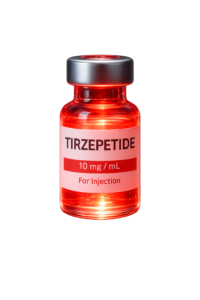 nd GLP-1 receptor agonist approved by the FDA, tirzepatide is reshaping how clinicians approach type 2 diabetes, chronic weight management, and now obstructive sleep apnea. Sold under the brand names Mounjaro for diabetes and Zepbound for weight loss and sleep apnea, this once-weekly injection consistently outperforms older GLP-1-only medications in head-to-head trials. Whether you are researching tirzepatide for the first time, considering switching from semaglutide, exploring its newer use for sleep apnea, or simply want to know what to expect week by week on treatment, this comprehensive guide pulls every key topic into one place.
Most articles online cover only one slice of the tirzepatide picture. You will find a piece on side effects, a piece on weight loss results, a piece on sleep apnea — but rarely a single resource that connects them. This guide is built differently. It explains the underlying mechanism, compares tirzepatide directly to semaglutide, walks through the new sleep apnea indication, maps out a realistic week-by-week weight loss timeline, breaks down the standard titration schedule, addresses side effects with practical management tips, explains what actually happens to your body when you stop the medication, clarifies the difference between brand-name and compounded tirzepatide, and finishes with the diet and lifestyle adjustments that determine whether your results stick. Use the table of contents below to jump to whichever section matters most to you, or read straight through for a complete picture.
Table of Contents
- What Is Tirzepatide and How Does It Work?
- Tirzepatide vs Semaglutide: Which Works Better?
- Tirzepatide for Sleep Apnea: The New FDA Indication
- Tirzepatide Weight Loss Timeline: Week-by-Week Results
- Tirzepatide Dosage and Titration Schedule
- Tirzepatide Side Effects and How to Manage Them
- What Happens When You Stop Tirzepatide
- Compounded Tirzepatide vs Mounjaro and Zepbound
- Diet, Protein, and Preserving Muscle on Tirzepatide
- Frequently Asked Questions
- Conclusion and Next Steps
What Is Tirzepatide and How Does It Work?
Tirzepatide: A once-weekly injectable medication that activates two gut hormone receptors — GIP (glucose-dependent insulinotropic polypeptide) and GLP-1 (glucagon-like peptide-1) — to lower blood sugar, reduce appetite, slow digestion, and promote significant weight loss in adults with type 2 diabetes, obesity, or obstructive sleep apnea.
Tirzepatide is a 39-amino-acid synthetic peptide developed by Eli Lilly. It is the first medication of its kind: a true dual agonist that engages both the GIP and GLP-1 receptors at the same time. Older medications in this class, such as semaglutide and liraglutide, are GLP-1 agonists only. By recruiting GIP signaling alongside GLP-1, tirzepatide produces a more powerful metabolic effect than single-receptor drugs in clinical comparisons.
The Four Mechanisms That Drive Tirzepatide’s Effects
Tirzepatide works through several overlapping pathways that together produce its weight loss and glycemic benefits:
- Appetite suppression in the brain. Tirzepatide acts on appetite-regulating centers in the hypothalamus, reducing hunger signals and food cravings. Most patients report feeling satisfied with smaller portions within the first few weeks.
- Slowed gastric emptying. The medication delays how quickly food leaves the stomach, which prolongs the feeling of fullness and blunts post-meal blood sugar spikes.
- Increased insulin secretion. When blood glucose rises after a meal, tirzepatide prompts the pancreas to release more insulin in a glucose-dependent way — meaning it works when needed and rests when blood sugar is normal, reducing hypoglycemia risk.
- Reduced glucagon release. Tirzepatide suppresses inappropriate glucagon secretion from the pancreas, preventing the liver from dumping unnecessary glucose into the bloodstream.
Approved Uses in the United States
Tirzepatide is currently approved by the FDA for three indications:
- Type 2 diabetes (as Mounjaro), approved May 2022, used alongside diet and exercise to improve glycemic control.
- Chronic weight management (as Zepbound), approved November 2023, for adults with obesity (BMI 30 or higher) or who are overweight (BMI 27 or higher) with at least one weight-related condition such as hypertension, dyslipidemia, or type 2 diabetes.
- Obstructive sleep apnea (as Zepbound), approved December 2024, for adults with moderate to severe OSA who also have obesity.
Tirzepatide is administered once weekly as a subcutaneous injection into the abdomen, thigh, or upper arm. It comes in single-dose pens and vials at strengths of 2.5 mg, 5 mg, 7.5 mg, 10 mg, 12.5 mg, and 15 mg.
Tirzepatide vs Semaglutide: Which Works Better?
The most common question patients ask before starting a GLP-1 medication is how tirzepatide compares to semaglutide, which is sold as Ozempic for diabetes and Wegovy for weight loss. Both medications are once-weekly injections, both lower blood sugar, and both produce meaningful weight loss. But the differences matter — and in head-to-head data, they are substantial.
Mechanism: Dual Agonist vs Single Agonist
Semaglutide activates only the GLP-1 receptor. Tirzepatide activates both GLP-1 and GIP. The addition of GIP signaling appears to amplify weight loss and glycemic effects, though researchers are still mapping out exactly why the combination is so synergistic. The leading theory is that GIP improves insulin sensitivity and lipid handling in adipose tissue, while GLP-1 drives appetite suppression and gastric slowing — together producing more weight loss than either pathway alone.
Weight Loss Comparison: SURPASS vs STEP Trials
The clinical trial data tells a clear story:
📊 Head-to-Head Trial Results
- Tirzepatide (SURMOUNT-1 trial): Adults without diabetes who took 15 mg of tirzepatide weekly for 72 weeks lost an average of 22.5% of their starting body weight — roughly 52 pounds for someone starting at 230 pounds.
- Semaglutide (STEP-1 trial): Adults without diabetes who took 2.4 mg of semaglutide weekly for 68 weeks lost an average of 14.9% of their starting body weight — roughly 34 pounds for someone starting at 230 pounds.
That difference — roughly 18 pounds in favor of tirzepatide at maximum doses — is one of the largest gaps ever recorded between two weight loss medications in similar populations. Even at the lower 5 mg dose of tirzepatide, average weight loss exceeded what most patients achieve on the maximum semaglutide dose.
Blood Sugar Comparison
For type 2 diabetes, tirzepatide also outperformed semaglutide in the SURPASS-2 trial. Patients on 15 mg tirzepatide saw an HbA1c reduction of 2.30%, compared with 1.86% for those on 1 mg semaglutide. The difference is clinically meaningful for patients trying to reach an HbA1c below 7%.
Side Effect Profiles
Both medications share a similar side effect profile dominated by gastrointestinal symptoms — nausea, diarrhea, vomiting, constipation, and reduced appetite. In trial data, the rates were roughly comparable, with some patients tolerating one better than the other. There is no reliable way to predict which medication an individual patient will tolerate best until they try it.
Dosing Differences
The two medications also differ in how they are dosed. Semaglutide for weight loss tops out at 2.4 mg weekly, with a four-step titration (0.25 mg, 0.5 mg, 1 mg, 1.7 mg, 2.4 mg). Tirzepatide has a six-step titration (2.5 mg through 15 mg) that allows for more granular dose adjustments, which can be especially helpful for patients who hit a plateau or who tolerate dose increases poorly. The wider titration range gives prescribers more flexibility to fine-tune the dose to a patient’s tolerance and response.
Real-World Switching
A growing number of patients switch from semaglutide to tirzepatide after plateauing or wanting greater weight loss. The standard approach is to wait at least seven days from the last semaglutide dose, then start at the 2.5 mg tirzepatide starting dose. Most patients tolerate the switch well, and many report a renewed wave of appetite suppression and weight loss within the first few weeks of the new medication.
Which One Is Right for You?
The choice is rarely as simple as “tirzepatide is stronger.” Real-world considerations include:
- Insurance coverage and access. Many insurance plans cover one but not the other.
- Tolerability. Some patients experience worse nausea on one medication and switch with relief.
- Weight loss goals. Patients with more significant weight to lose often benefit from tirzepatide’s higher ceiling.
- Comorbid conditions. Semaglutide has stronger long-term cardiovascular outcome data, though tirzepatide cardiovascular trials are now reporting.
- Cost considerations. Pricing varies significantly across pharmacies, insurance plans, and compounded options.
A consultation with a knowledgeable provider is the best way to weigh these factors against your medical history.
Tirzepatide for Sleep Apnea: The New FDA Indication
In December 2024, the FDA expanded Zepbound’s approval to include the treatment of moderate to severe obstructive sleep apnea in adults with obesity. This is a major development — the first time a medication has been approved for OSA, a condition that has historically been managed almost exclusively with CPAP machines, oral appliances, or surgery.
How Tirzepatide Affects Sleep Apnea
Obstructive sleep apnea occurs when the soft tissues at the back of the throat relax during sleep and block the airway, causing repeated breathing pauses. Excess weight — particularly around the neck and upper airway — is one of the strongest risk factors. By driving substantial weight loss, tirzepatide reduces the amount of fat compressing the airway, which in turn reduces the frequency of apnea events.
The downstream health benefits of treating OSA are significant. Untreated sleep apnea is linked to elevated blood pressure, increased risk of stroke, atrial fibrillation, type 2 diabetes, daytime fatigue, depression, and impaired cognitive performance. Reducing the severity of OSA — even partially — can improve all of these outcomes, which is part of why the December 2024 FDA approval was such a meaningful expansion.
The SURMOUNT-OSA Trial Results
The SURMOUNT-OSA trial enrolled adults with moderate to severe OSA and obesity and randomized them to tirzepatide or placebo. After 52 weeks:
📊 SURMOUNT-OSA Key Findings
- Patients on tirzepatide saw their apnea-hypopnea index (AHI) drop by an average of 25 to 30 events per hour, compared to roughly 5 events per hour with placebo.
- Many patients experienced reductions large enough to no longer meet diagnostic criteria for moderate or severe OSA.
- Improvements were observed both in patients using CPAP and in those who were not.
Who Is a Candidate?
Tirzepatide for sleep apnea is indicated for adults with:
- Moderate to severe OSA confirmed by a sleep study
- Obesity, defined as a BMI of 30 or higher
It is not a replacement for CPAP in most cases — particularly for patients with severe disease. Instead, it is a complementary treatment that can reduce apnea severity and, in some patients, eventually allow them to discontinue CPAP under medical supervision.
Recommended Dosing for OSA
For obstructive sleep apnea, the recommended maintenance doses are 10 mg or 15 mg once weekly, reached through the same titration schedule used for weight loss. Lower doses are used as a starting point but are generally not maintained for OSA, as the higher doses produced the strongest improvements in trial data.
Tirzepatide Weight Loss Timeline: Week-by-Week Results
One of the most searched questions about tirzepatide is how quickly it works. The honest answer is that the timeline varies — but the general pattern across thousands of patients is remarkably consistent. Here is what most people experience.
Weeks 1 to 4: The Starting Dose Phase
The standard starting dose is 2.5 mg once weekly. This dose is intentionally subtherapeutic — its primary purpose is to let your body acclimate to the medication and minimize gastrointestinal side effects. Most patients lose between 2 and 5 pounds during this first month, though some lose nothing at all and that is completely normal. Hunger reduction often begins within the first week, and food cravings — particularly for sugar, fried foods, and alcohol — frequently diminish noticeably.
Weeks 5 to 8: First Dose Increase to 5 mg
At week five, the dose increases to 5 mg weekly. This is the first therapeutic dose, and most patients notice a meaningful step up in appetite suppression. Weight loss accelerates: typical losses during weeks 5 through 8 range from 5 to 10 additional pounds, putting most patients down 7 to 15 pounds total by the end of month two. Side effects may briefly worsen for a few days after the dose increase before settling.
Weeks 9 to 12: Building Momentum
Some patients stay at 5 mg through this phase if they are losing weight steadily and tolerating the medication well. Others move up to 7.5 mg. By the end of month three, total weight loss for most patients ranges from 12 to 25 pounds — generally 5% to 10% of starting body weight. This is also when many patients notice non-scale victories: looser clothing, improved blood pressure, lower fasting glucose, and better sleep.
Months 4 to 6: Steady Loss at Maintenance Doses
By this point, most patients are on 7.5 mg, 10 mg, or 12.5 mg weekly. Weight loss continues at a steady pace of roughly 1 to 2 pounds per week for most patients, though plateaus of one to three weeks are normal and not a sign that the medication has stopped working. Total weight loss by month six commonly reaches 15% to 20% of starting body weight.
Months 7 to 12: Approaching Maximum Loss
This is where the largest cumulative weight losses tend to occur. Patients on 10 mg or 15 mg typically continue losing weight, though the rate slows. By the 72-week mark — the endpoint of the SURMOUNT-1 trial — average weight loss on 15 mg reached 22.5% of starting body weight. Some patients exceed 25% or even 30%, particularly when paired with consistent strength training and high-protein eating.
Beyond 12 Months: Maintenance
After about a year, most patients reach a plateau where their weight stabilizes. This is the maintenance phase. Some patients continue losing slowly for another six to twelve months. Others stay steady at their new weight as long as they remain on the medication. Stopping the medication at this point — without significant lifestyle changes in place — typically leads to weight regain, which we cover in detail below.
Breaking Through a Plateau
Plateaus are normal and expected. They tend to occur every 10 to 20 pounds of loss as the body recalibrates its metabolic rate to the lower weight. If you have stalled for three or more weeks, the most effective levers are: increasing protein intake, adding or intensifying strength training, tightening up sleep, reviewing portion sizes (appetite suppression often eases over time and portions creep up), and discussing a dose increase with your provider if you are not yet at your target dose. Plateaus rarely mean the medication has stopped working — they typically mean the body is asking for a small adjustment somewhere in the program.
Tirzepatide Dosage and Titration Schedule
Tirzepatide is taken once weekly, on the same day each week, at any time of day, with or without food. The titration schedule is designed to gradually increase the dose so that the body can adjust and side effects stay manageable.
The Standard Titration Schedule
💉 FDA-Approved Titration
- Weeks 1–4: 2.5 mg once weekly (starting dose, not therapeutic)
- Weeks 5–8: 5 mg once weekly (first therapeutic dose)
- Weeks 9–12: 7.5 mg once weekly (if needed)
- Weeks 13–16: 10 mg once weekly (if needed)
- Weeks 17–20: 12.5 mg once weekly (if needed)
- Weeks 21+: 15 mg once weekly (maximum dose)
This schedule is the FDA-approved guideline. In practice, providers often adjust the pace based on how a patient is responding. If you are losing weight steadily and tolerating the dose well, your provider may keep you at a lower dose longer rather than rushing to the maximum. The goal is to find the lowest effective dose that produces results without causing intolerable side effects.
What If You Miss a Dose?
If you remember within four days of your scheduled dose, take it as soon as possible and resume your normal schedule. If more than four days have passed, skip the missed dose and take your next dose on the regularly scheduled day. Do not double up.
Switching Injection Days
You can change the day of the week you inject as long as at least three days have passed since your last dose. This can be helpful if your original day stops being convenient.
Injection Sites and Technique
Inject tirzepatide subcutaneously into:
- The abdomen (avoiding a two-inch radius around the navel)
- The front of the thigh
- The back of the upper arm (with help if needed)
Rotate sites with each injection to avoid skin irritation, lipohypertrophy, and injection-site reactions. The injection itself is brief — most patients describe it as a quick pinch.
Tirzepatide Side Effects and How to Manage Them
Most tirzepatide side effects are gastrointestinal, dose-dependent, and most pronounced in the first few weeks after starting or increasing the dose. With the right strategies, the majority of patients move through them without serious disruption.
Common Side Effects
- Nausea — by far the most common, especially during the first month and after dose increases.
- Diarrhea — generally mild, often improves after the first few weeks.
- Constipation — surprisingly common given the slower digestion; hydration and fiber help significantly.
- Vomiting — usually triggered by overeating or eating high-fat foods.
- Decreased appetite — this is part of the medication’s purpose, but extreme reductions in food intake should be discussed with a provider.
- Upper abdominal discomfort — bloating, mild reflux, or a sense of fullness.
- Fatigue — common during the first few weeks and often related to lower caloric intake.
- Injection site reactions — redness or itching at the injection spot, usually mild and self-resolving.
Practical Management Strategies
✅ Tips That Actually Help
The following adjustments significantly reduce side effect severity for most patients:
- Eat smaller, more frequent meals. Three large meals overwhelm a slowed stomach. Five or six small meals work much better.
- Cut back on high-fat foods. Fried foods, heavy creams, and fatty meats consistently trigger nausea on tirzepatide.
- Hydrate aggressively. Many patients lose their thirst signal alongside their hunger signal. Aim for 80 to 100 ounces of water daily.
- Stop eating when you feel full. Pushing past fullness on tirzepatide almost always causes nausea or vomiting.
- Increase fiber gradually. Soluble fiber from oats, chia, psyllium, and vegetables helps with both constipation and satiety.
- Consider ginger or peppermint. Both have evidence for reducing mild nausea.
Rare but Serious Risks
⚠️ Seek Medical Attention If You Experience
A small number of more serious risks exist and require prompt medical attention:
- Acute pancreatitis. Severe, persistent abdominal pain — often radiating to the back — requires immediate evaluation. Regulatory agencies in the UK updated GLP-1 medication guidance in 2026 to warn of a small but real risk of severe acute pancreatitis.
- Gallbladder problems. Rapid weight loss raises gallstone risk, and tirzepatide is associated with gallbladder events including cholecystitis.
- Kidney injury. Severe vomiting or diarrhea can cause dehydration and acute kidney injury. Stay hydrated.
- Medullary thyroid carcinoma risk (boxed warning). Tirzepatide is contraindicated in patients with a personal or family history of medullary thyroid cancer or multiple endocrine neoplasia syndrome type 2.
- Severe hypoglycemia in patients also taking insulin or sulfonylureas — dose adjustments to those medications are often needed.
What About the Suicidal Ideation Warning?
Earlier concerns about a possible link between GLP-1 medications and suicidal behavior have not been supported by subsequent studies. In January 2026, the FDA requested removal of the suicidal behavior and ideation warning from GLP-1 receptor agonist medications, including tirzepatide.
Who Should Not Take Tirzepatide
Tirzepatide is not appropriate for everyone. The medication is contraindicated in patients with a personal or family history of medullary thyroid carcinoma or multiple endocrine neoplasia syndrome type 2. It should also be used with caution — or avoided entirely — in patients with a history of pancreatitis, severe gastrointestinal disease such as gastroparesis, severe kidney disease, or known hypersensitivity to tirzepatide or any of its ingredients. Tirzepatide is not recommended during pregnancy or breastfeeding, and women who could become pregnant should discuss reliable contraception with their provider before starting treatment. Patients with type 1 diabetes should not use tirzepatide, as it has not been studied in this population.
What Happens When You Stop Tirzepatide
One of the most important — and most under-discussed — aspects of tirzepatide is what happens after you stop. The data here is clear, and patients deserve to understand it before they start.
The Reality of Weight Regain
⚡ Important: Within one year after stopping tirzepatide, the average patient regains more than half of the weight they lost. Within roughly 18 months, the average patient returns to or near their pre-treatment weight. This pattern was demonstrated in the SURMOUNT-4 trial, which followed patients after they were switched from active treatment to placebo.
This is not a failure of willpower. Obesity is a chronic metabolic condition, and tirzepatide is a treatment for that condition — much like blood pressure medication is a treatment for hypertension. Stopping the medication removes the appetite suppression and metabolic effects that produced the weight loss in the first place. Hunger and cravings return, often more intensely than before, due to compensatory changes in the body’s hunger hormones.
Strategies to Minimize Regain If You Stop
If you and your provider decide to discontinue tirzepatide, the following strategies can reduce the rebound:
- Taper slowly. Stepping down through lower doses over several months, rather than stopping abruptly, gives your body time to adjust.
- Build muscle aggressively before stopping. Higher lean mass raises your resting metabolic rate and partially offsets the metabolic adaptation that drives regain.
- Lock in food and exercise habits. Patients who have built sustainable habits during treatment regain less weight than those who relied entirely on the medication.
- Monitor and reintervene early. Catching regain in the first three to five pounds is far easier than trying to reverse 30 pounds of regain.
Long-Term Use Is Increasingly the Norm
Because of the regain pattern, most obesity medicine specialists now treat tirzepatide as a long-term medication, similar to how statins or blood pressure medications are managed. The maintenance dose may be lower than the dose used during active weight loss, but discontinuation is rarely the goal unless side effects, pregnancy, or other clinical factors require it.
Compounded Tirzepatide vs Mounjaro and Zepbound
During recent shortages of brand-name tirzepatide, compounded versions of the medication became widely available through specialty pharmacies. Understanding the difference between compounded and brand-name tirzepatide is important for any patient considering treatment.
What Is Compounded Tirzepatide?
Compounded tirzepatide is prepared by a licensed compounding pharmacy using the active pharmaceutical ingredient tirzepatide. Compounding is a long-established practice in pharmacy: it allows pharmacists to prepare customized medications for individual patients based on a prescriber’s order. Compounded medications are not generic versions — they are prepared on-demand rather than mass-produced by a manufacturer.
Key Differences
- Source and preparation. Brand-name tirzepatide is manufactured by Eli Lilly under FDA-regulated production processes. Compounded tirzepatide is prepared at state-licensed compounding pharmacies under USP guidelines.
- Formulation flexibility. Compounding allows for customized dosing — including doses between the standard 2.5 mg increments — which can be useful for patients who need finer titration.
- Delivery format. Brand-name comes in pre-filled pens or single-dose vials. Compounded versions are typically supplied in multi-dose vials with separate syringes.
- Combination products. Some compounding pharmacies offer tirzepatide combined with other agents, such as B12, that are not available in the brand-name product.
Choosing a Reputable Compounding Pharmacy
Not all compounding pharmacies operate at the same standard. When considering a compounded GLP-1 medication, look for:
- State licensure verifiable through your state board of pharmacy
- Compliance with USP 797 and USP 800 standards for sterile compounding
- Third-party testing of finished products for potency and sterility
- A licensed prescriber overseeing your treatment, not just a pharmacy
- Clear labeling, lot numbers, and beyond-use dates
A high-quality compounding pharmacy will be transparent about its sourcing, testing, and protocols. If a provider cannot answer these questions clearly, that is a meaningful red flag.
Diet, Protein, and Preserving Muscle on Tirzepatide
Tirzepatide reduces appetite so effectively that many patients eat dramatically less without effort. This is a feature of the medication — but it creates a real risk: muscle loss. Without deliberate effort, somewhere between 25% and 40% of total weight lost on GLP-1 medications can come from lean tissue rather than fat. The good news is that this is largely preventable.
Protein: The Single Most Important Variable
Adequate protein intake is the strongest dietary lever for preserving muscle during weight loss. The general target for patients on tirzepatide is:
🥩 Daily Protein Target
- 0.7 to 1.0 grams of protein per pound of goal body weight, daily.
- For most adults, this works out to 100 to 160 grams of protein per day.
- Spread across three to five meals or snacks, with 25 to 40 grams per serving for optimal muscle protein synthesis.
This is harder than it sounds when your appetite is sharply reduced. Practical strategies include prioritizing protein at every meal, using a high-quality whey or plant-based protein shake to fill gaps, and choosing protein-dense foods like chicken breast, Greek yogurt, eggs, fish, lean beef, tofu, and cottage cheese.
Strength Training: Non-Negotiable
Resistance training is the second essential variable. Two to four sessions per week of full-body strength work, focusing on compound movements like squats, deadlifts, presses, and rows, signals your body to retain muscle even in a caloric deficit. Walking and cardio are valuable for metabolic and cardiovascular health, but they do not preserve muscle the way resistance training does.
Other Nutritional Priorities
- Fiber. Aim for 25 to 35 grams daily from vegetables, fruit, legumes, and whole grains. Fiber helps with constipation, satiety, and gut health.
- Hydration. Many patients on tirzepatide stop feeling thirsty. Drink consistently throughout the day, not just when prompted by thirst.
- Electrolytes. Sodium, potassium, and magnesium can drop with reduced food intake. Salt your food, eat potassium-rich foods like leafy greens and avocados, and consider a magnesium supplement at night.
- Avoid alcohol or limit sharply. Tirzepatide already reduces cravings for alcohol in many patients, but alcohol on a slowed stomach can intensify nausea and dehydration.
- Limit ultra-processed foods. Beyond the metabolic concerns, these foods tend to trigger more nausea and reflux on a slowed digestive system.
Vitamins and Supplements Worth Considering
Reduced food intake can lead to micronutrient gaps. A daily multivitamin is reasonable for most patients. Vitamin D, B12, and iron levels are worth checking periodically — particularly for patients with significant weight loss or restricted diets. Always discuss supplements with your prescriber to avoid interactions.
Frequently Asked Questions
How long does tirzepatide stay in your system?
Tirzepatide has a half-life of about five days, which is why it is dosed weekly. After your final dose, the medication remains active in your body for roughly four to five weeks as it gradually clears.
Can you drink alcohol on tirzepatide?
There is no absolute prohibition, but most providers recommend limiting alcohol significantly. Tirzepatide slows digestion, which can intensify alcohol’s effects, and many patients report worse nausea, headaches, and dehydration after drinking. Many patients also notice that their desire for alcohol drops on tirzepatide.
Will tirzepatide work without changing my diet?
Tirzepatide will produce some weight loss without dietary changes, simply because appetite drops. But the patients who achieve the best results — and protect their muscle while doing it — combine the medication with a high-protein eating pattern and strength training. The medication is a tool, not a replacement for habits.
How quickly will I notice tirzepatide working?
Most patients notice reduced hunger and fewer food cravings within the first one to two weeks. Visible weight loss usually starts in weeks three to four. Significant weight loss accumulates over the first three to six months, with continued progress out to 12 to 18 months for most patients.
Is tirzepatide safe for long-term use?
Long-term safety data is still accumulating, but the medication has been studied in trials lasting up to 88 weeks with a generally favorable safety profile. Because obesity is a chronic condition, most specialists now treat tirzepatide as a long-term medication. Regular check-ins with a prescriber to monitor labs, side effects, and overall health are essential.
Can I switch from semaglutide to tirzepatide?
Yes — many patients switch from semaglutide to tirzepatide, typically because they have plateaued or want greater weight loss. The standard approach is to wait one week from your last semaglutide dose, then start tirzepatide at the 2.5 mg starting dose to allow the body to adjust to the new medication. Your provider will tailor the transition based on your history.
Does tirzepatide cause hair loss?
Some patients experience temporary hair shedding during rapid weight loss — this is called telogen effluvium and is related to the weight loss itself rather than a direct effect of tirzepatide. Adequate protein intake, iron, B vitamins, and overall caloric sufficiency reduce the risk. Hair generally regrows within three to six months once weight stabilizes.
Can tirzepatide be used in patients without diabetes or obesity?
FDA approvals are limited to type 2 diabetes, chronic weight management for adults with obesity or overweight plus a comorbid condition, and obstructive sleep apnea in adults with obesity. Off-label use outside these parameters is increasingly common but should always be guided by a qualified prescriber who can assess risks, benefits, and alternatives.
Conclusion and Next Steps
Tirzepatide is one of the most transformative metabolic medications introduced in decades. Its dual GIP and GLP-1 mechanism produces weight loss results that consistently exceed older single-agonist medications, and its expanding list of FDA-approved uses — from type 2 diabetes to chronic weight management to obstructive sleep apnea — reflects a growing understanding of just how broadly metabolic disease affects human health.
That said, tirzepatide is not a quick fix. The patients who get the best long-term results are the ones who treat the medication as a foundation rather than a finish line: building strong eating habits, prioritizing protein, training their muscles, working with a prescriber who actually knows the medication, and planning for the long haul rather than a short sprint. Done well, tirzepatide can produce results that meaningfully change a person’s health for years to come.
If you are considering tirzepatide for weight loss, type 2 diabetes management, or obstructive sleep apnea, the next step is a conversation with a qualified provider who can review your medical history, discuss expected results, walk through the risks and side effects, and design a treatment plan tailored to your goals. Whether through brand-name Mounjaro and Zepbound or through a reputable compounding pharmacy, the right plan with the right oversight is the difference between a medication that works for a few months and a treatment that delivers lasting results.
Ready to Learn More About Tirzepatide?
Speak with a licensed provider who specializes in GLP-1 therapies and can guide you through every stage — from your first dose to long-term maintenance.